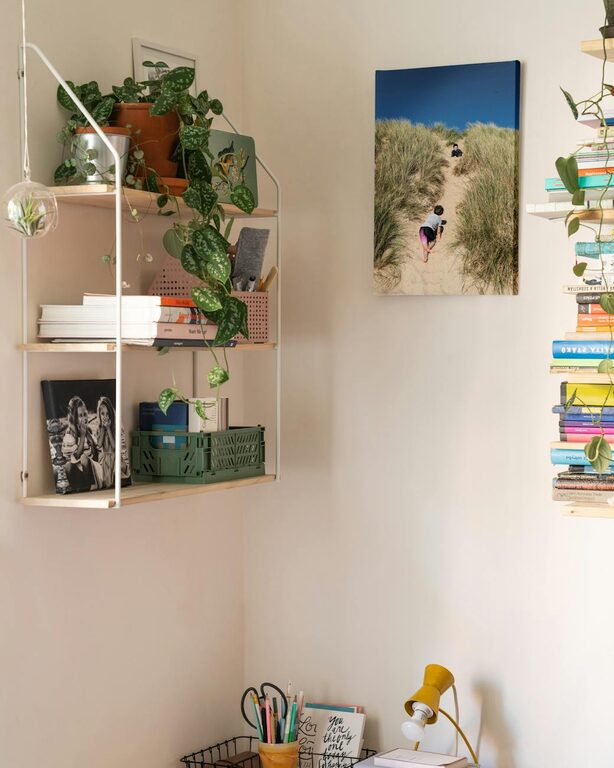
Creating a relaxing home workspace is key to maintaining focus, reducing stress, and improving overall productivity. Whether you work remotely full time or need a quiet corner for occasional tasks, your workspace should be inviting and comfortable. In this post, we’ll explore practical ideas and tips to make your home office a soothing environment, helping you work efficiently without feeling overwhelmed.
Why a Relaxing Workspace Matters
A stressful or cluttered workspace can negatively affect your mood and concentration. When your environment feels calm and organized, it encourages a positive mindset and helps you stay on task. Crafting a relaxing work area is not just about aesthetics — it supports your mental well-being and work quality.
Choosing the Right Location at Home
Start by selecting a spot in your home that minimizes distractions. Ideally, this should be a quiet area with enough natural light.
– Consider natural light: Position your desk near a window if possible. Natural light improves mood and reduces eye strain.
– Minimize noise: Avoid areas close to busy rooms or noisy appliances. If noise is unavoidable, consider noise-cancelling headphones or a white noise machine.
– Limit foot traffic: Places with less movement help maintain focus and reduce interruptions.
Setting Up Your Desk for Comfort and Efficiency
A well-arranged desk encourages productivity while supporting your physical comfort.
Choose an Ergonomic Chair and Desk
– Comfort is key: Select a chair that supports your back and encourages good posture.
– Desk height: Your desk should allow your forearms to rest parallel to the floor when typing.
– Foot support: Use a footrest if your feet don’t comfortably reach the ground.
Organize Your Workspace
– Declutter regularly: Keep only essential items on your desk to avoid distractions.
– Use organizers: Trays, drawers, or containers help keep supplies tidy.
– Cable management: Use clips or sleeves to keep cords neat and out of the way.
Personalize Your Space Without Clutter
Adding personal touches can make your workspace feel welcoming and inspiring.
– Add greenery: Small plants improve air quality and bring a touch of nature indoors.
– Incorporate calming colors: Soft hues like light blues, greens, or neutrals encourage relaxation.
– Display meaningful items: Photos, artwork, or motivational quotes can boost your mood but keep it minimal to avoid clutter.
Enhance Lighting for a Soothing Atmosphere
Lighting plays an important role in your comfort and focus.
– Natural light first: Maximize daylight but avoid direct glare on screens.
– Task lighting: Use adjustable desk lamps for focused work during evenings or cloudy days.
– Ambient lighting: Soft overhead or floor lamps create a warm, inviting environment.
Manage Technology Mindfully
Technology is necessary but can distract or add stress if not handled thoughtfully.
– Use blue light filters: Reduce eye strain by adjusting screen settings or using glasses that block blue light.
– Silence notifications: Limit digital interruptions by turning off non-essential alerts.
– Designate tech-free moments: Take breaks away from screens to refresh your mind.
Incorporate Relaxation Techniques Into Your Routine
A relaxing workspace can be complemented by simple habits to ease tension.
– Take regular breaks: Stand, stretch, or walk briefly every hour.
– Practice deep breathing: A few minutes of mindful breathing can improve focus.
– Use calming scents: Essential oils like lavender or chamomile may create a peaceful environment (ensure you are not sensitive to scents).
Keep Your Workspace Flexible
Adapt your setup as needed to suit different tasks or moods.
– Standing options: Consider a sit-stand desk converter to change positions.
– Alternate seating: Use a comfortable chair or cushion for reading or brainstorming.
– Seasonal adjustments: Change lighting, colors, or decor to keep the space fresh year-round.
Conclusion
Designing a relaxing home workspace is an investment in your productivity and well-being. By choosing the right location, organizing thoughtfully, and incorporating calming elements, you create an environment that supports focus and reduces stress. Remember, the best workspace reflects your personal needs and preferences, so feel free to experiment until you find what works best for you.
With a little effort and attention, your home office can become a haven of calm, creativity, and efficiency. Happy decorating!